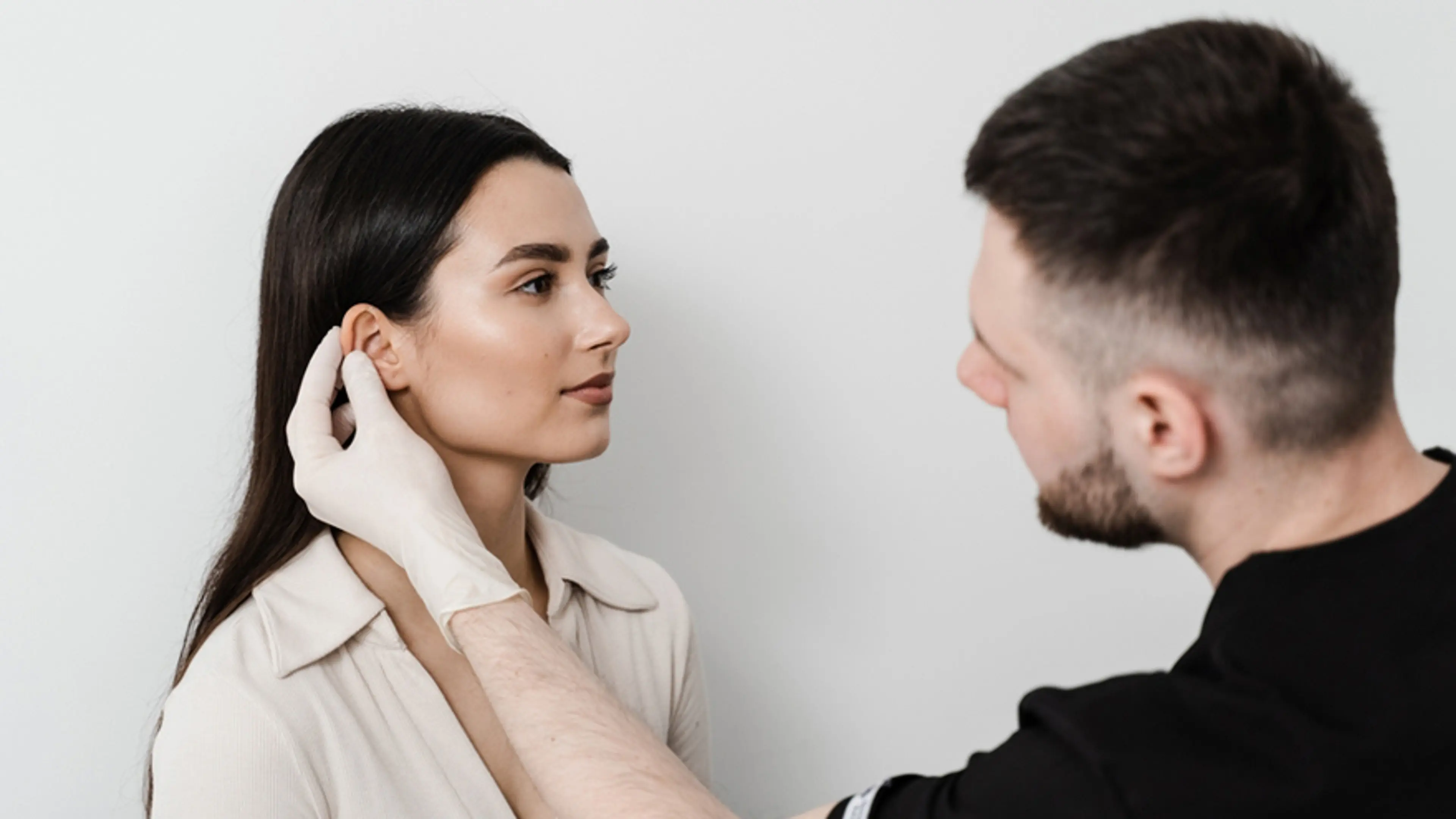
Postoperative safety guide from RNWOOD Plastic Surgery, Seoul
Surgery, whether it’s a facelift, eyelid procedure, or fat grafting, marks a deeply personal decision and an important step toward self-renewal. At RNWOOD Plastic Surgery, our approach emphasizes not only surgical precision but also meticulous aftercare and patient education. Recovery is a journey, and understanding what’s normal versus what requires urgent attention is one of the most important things you can do for a safe, successful outcome.
Even with world-class surgical techniques and attentive care, the body’s healing response can be unpredictable. This is why Dr. Minhee Ryu and the RNWOOD team closely monitor every patient during the first few days, ensuring early detection of any potential concerns. Knowing the signs of possible complications — and when to call your surgeon — can make all the difference in ensuring smooth recovery and long-lasting results.
Below, we outline five critical warning signs that you should never ignore after facial or aesthetic surgery. These are red flags that mean you should contact your surgeon immediately, or in some cases, go to an emergency department.
1. Rapidly Increasing Pain or Swelling (Especially on One Side)
1.-rapidly-increasing-pain-or-swelling-(especially-on-one-side)Mild discomfort, tightness, and swelling are entirely expected after surgery. Pain tends to peak within the first 48 hours and then gradually subsides. However, pain that suddenly worsens, particularly if accompanied by visible asymmetry, should not be ignored.
A sharp increase in swelling, bruising, or tension — especially if confined to one side of the face or neck — can signal a hematoma, which is an accumulation of blood beneath the skin or tissue layers. Hematomas can occur after any surgery, but in facelift and neck lift procedures, they require prompt surgical drainage to prevent pressure on healing tissues and preserve the quality of your results.
What to watch for:
One side of the face or neck feels tight, firm, or hot
Pain seems to increase rapidly rather than ease
Bruising spreads quickly or darkens
The area looks unusually swollen or distorted
If you notice these symptoms, contact your surgical team immediately. Hematomas are most common within the first 24–48 hours after surgery, and early intervention ensures safe, uncomplicated healing.
At RNWOOD Plastic Surgery, all patients receive detailed post-op monitoring during this critical window, with optional in-clinic checkups or home nurse visits for out-of-town patients. Early evaluation is key — it’s always safer to check than to wait.
2. Fever, Chills, or Flu-Like Symptoms
2.-fever-chills-or-flu-like-symptomsYour body’s temperature provides valuable clues about your healing process. A low-grade fever (below 38°C or 100.4°F) can sometimes occur within the first day or two as your immune system responds to tissue repair. However, a persistent or rising fever, particularly beyond the third day post-surgery, can indicate an infection.
Common warning signs of infection include:
Fever over 38°C (100.4°F)
Shivering, chills, or body aches
Increased redness, warmth, or tenderness around the incision
Pus-like drainage or a foul smell from the wound
Fatigue or malaise that worsens
Infection after plastic surgery is relatively uncommon, especially when strict sterile technique and antibiotic prophylaxis are followed — both standard practice at RNWOOD. However, even a small, localized infection can spread if untreated. Early antibiotic treatment typically resolves it completely without affecting your surgical results.
Tip:
Keep a small thermometer handy and record your temperature twice daily during the first week. If you notice a spike or any accompanying signs of infection, contact your surgeon’s office right away for assessment and guidance.
3. Unusual Drainage, Pus, or Persistent Fluid Leakage
3.-unusual-drainage-pus-or-persistent-fluid-leakageA little clear or slightly pink fluid from incision lines or drains is a normal part of early healing. However, thick, yellow, green, or foul-smelling discharge is not normal and should be treated as a potential infection or wound breakdown.
Similarly, if you notice a persistent area that feels like it’s filling with fluid — soft, compressible, and sometimes tender — it may be a seroma (a pocket of clear fluid under the skin). While usually not dangerous, seromas can delay healing and may require drainage to prevent infection.
When to call your surgeon:
Continuous wetness or oozing from your incision
New or worsening redness, warmth, or pain near the area
Sudden “ballooning” or fluid movement under the skin
Drain output that becomes cloudy or foul-smelling
At RNWOOD Plastic Surgery, we perform a meticulous closure technique and use gentle compression dressings to minimize fluid accumulation. We also provide patients with detailed home-care instructions for incision hygiene and drain management (if applicable). However, any unexpected discharge is a reason to call — it’s always better to verify than to assume it’s normal.
4. Changes in Skin Color, Temperature, or Sensation
4.-changes-in-skin-color-temperature-or-sensation
Your skin’s appearance and sensation offer another vital indicator of post-surgical health. After a facelift or fat transfer, it’s common for skin to feel slightly numb, tight, or firm for several weeks — this results from temporary nerve and tissue adjustments. What’s not normal is a sudden change in skin color or texture, especially if it turns pale, dusky, bluish, or blackish.
These changes can indicate compromised blood flow (ischemia) or excessive tension on the incision line. Without timely attention, the affected skin can lose vitality and healing quality.
Warning signs include:
Pale or grayish skin compared to surrounding areas
Patchy discoloration that doesn’t improve with gentle warming
Burning, severe tingling, or sharp new pain
Cool or clammy skin surface over a surgical site
If you experience any of these, contact your surgeon immediately. Early measures — such as loosening a dressing, adjusting compression, or increasing oxygen support — can often restore circulation and prevent serious complications.
At RNWOOD, postoperative support includes advanced hyperbaric oxygen therapy (HBOT) and Healite II LED treatments, which improve oxygen delivery and tissue recovery. These therapies reduce inflammation, support blood flow, and enhance the natural healing process.
5. Shortness of Breath, Chest Pain, or Leg Swelling
5.-shortness-of-breath-chest-pain-or-leg-swellingWhile rare, the most dangerous postoperative complications involve blood clots. Prolonged rest, dehydration, or reduced mobility after surgery can increase the risk of deep vein thrombosis (DVT) — clots forming in the legs — which can travel to the lungs and cause a pulmonary embolism (PE).
These symptoms are medical emergencies and should never be ignored.
Go to the emergency room or call emergency services immediately if you experience:
Sudden shortness of breath or rapid breathing
Sharp or crushing chest pain
Dizziness, fainting, or feeling lightheaded
Unilateral leg pain, redness, or swelling
Although these conditions are rare, especially after facial surgery, they can occur in patients who have had general anesthesia or prolonged travel. At RNWOOD, we minimize risk by encouraging early gentle movement, hydration, and, for higher-risk patients, prophylactic measures such as compression stockings or low-dose anticoagulants.
When in Doubt, Always Call
when-in-doubt-always-callOne of the defining aspects of RNWOOD Plastic Surgery is our one-surgery-per-day model, which ensures every patient receives the undivided attention of Dr. Ryu and our medical team — not only during surgery but throughout recovery.
We always tell patients:
“If something feels off — call us. You know your body best.”
No concern is too small. Sometimes what feels like a minor issue, such as mild tightness or drainage, is perfectly normal — but other times, it’s an early sign of a preventable complication. Early communication allows us to guide you through next steps, whether that’s reassurance, a photo review, or a same-day in-clinic assessment.
For our international patients, the RNWOOD concierge care team provides 24/7 bilingual postoperative support in English, Korean, Japanese, Chinese, and Indonesian. We also coordinate local hotel recovery, daily nurse visits, and post-op checkups to ensure complete peace of mind, even far from home.
Bonus: Other Symptoms to Monitor
bonus:-other-symptoms-to-monitor
In addition to the five major warning signs above, it’s also wise to stay alert for:
Severe nausea or vomiting, especially if it prevents you from keeping fluids down (risk of dehydration)
Persistent bleeding that soaks through bandages
Sudden loss of movement in facial muscles or eyelids
Visible gaping or opening along incision lines
Extreme emotional distress or anxiety that feels unmanageable (can be part of “post-surgery blues”)
At RNWOOD, our recovery care includes emotional as well as physical support. We believe that healing beautifully also means feeling supported, reassured, and informed every step of the way.
What You Can Do to Stay Safe
what-you-can-do-to-stay-safePrevention and vigilance are equally important. Here’s how you can reduce your risk of complications:
Follow all pre- and post-operative instructions carefully — including medications, wound care, and activity restrictions.
Stay hydrated and eat light, nutritious meals rich in protein and vitamins to support healing.
Avoid smoking and alcohol, both of which impair circulation and slow recovery.
Sleep with your head elevated to minimize swelling, especially after facial procedures.
Attend every scheduled follow-up — even if you feel fine. Subtle issues are easiest to detect early in person.
The RNWOOD Commitment to Safe, Beautiful Healing
the-rnwood-commitment-to-safe-beautiful-healingEvery surgical result depends not only on technical excellence but also on how well the body heals afterward. That’s why RNWOOD Plastic Surgery integrates regenerative and holistic recovery programs — including vitamin IV therapy, oxygen treatments, and advanced scar management — into every postoperative plan.
By combining Dr. Minhee Ryu’s deep anatomical expertise with attentive aftercare, we ensure that every patient heals with safety, comfort, and confidence.
Your recovery is a partnership — and we’re with you every step of the way.
In Summary — When to Call Your Surgeon:
Symptom | Possible Cause | Action |
|---|
Rapid swelling or pain (especially one-sided) | Hematoma or bleeding | Contact your surgeon immediately |
Fever or chills | Infection | Call your surgeon; may need antibiotics |
Pus or foul-smelling drainage | Wound infection or seroma | Schedule an urgent check |
Pale, dark, or painful skin | Circulation issue | Urgent evaluation needed |
Chest pain or shortness of breath | Blood clot or embolism | Emergency medical help immediately |
Your safety comes first.
At RNWOOD Plastic Surgery, we design every surgical and recovery protocol to minimize risks and maximize peace of mind. Still, the most important safety measure is an informed, proactive patient. If you ever feel uncertain, uncomfortable, or anxious about a symptom — call. Your surgeon would always rather hear from you too soon than too late.