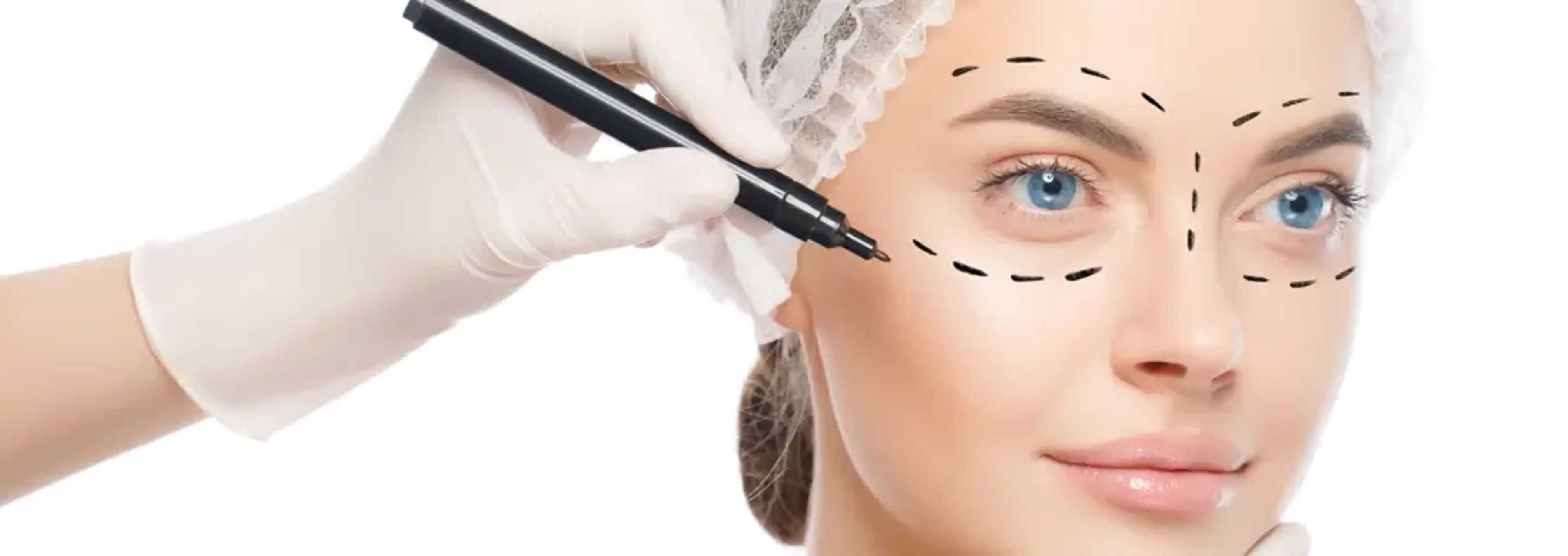
At RNWOOD Plastic Surgery in Apgujeong, Seoul, eyelid surgery is one of the most transformative and delicate procedures we perform. Known for our patient-first, one-surgery-per-day philosophy, we focus on achieving natural, long-lasting enhancement that refines your eye shape — not changes who you are.
Led by Dr. Minhee Ryu, a renowned specialist in blepharoplasty, revision eyelid surgery, and facial rejuvenation, RNWOOD combines meticulous artistry with deep anatomical understanding. Whether you’re seeking a refreshed gaze, a well-defined double eyelid, or revision of a previous procedure, your journey begins with a careful understanding of Asian eyelid anatomy and how subtle surgical design can enhance natural expression.
1. Understanding the Uniqueness of Asian Eyelid Anatomy
1.-understanding-the-uniqueness-of-asian-eyelid-anatomyThe Asian eyelid is beautiful and diverse, yet its anatomical structure differs significantly from that of Western eyelids. These differences are not flaws — they are features that give individuality and character. To achieve natural enhancement, a surgeon must respect and understand these distinctions.
Key Anatomical Differences
key-anatomical-differencesEyelid Crease (Supratarsal Fold):
Many Asians are born with a single eyelid, meaning the upper eyelid lacks a visible crease. Others may have a low, partial, or asymmetric crease. The absence of a crease is due to the fusion of the orbital septum and levator aponeurosis at a lower point compared to Western eyelids.
Preaponeurotic Fat and Soft Tissue Thickness:
Asian eyelids typically have a thicker fat and skin layer, which can cause puffiness or heaviness. This influences how light reflects on the eyes, sometimes making them appear smaller or less defined.
Epicanthal Fold:
The epicanthal fold — a skin fold covering the inner corner of the eye — is a defining feature in many Asians. While natural, a prominent epicanthal fold can make the eyes appear shorter or closer together. Surgical refinement can subtly open the inner corner for better proportion and brightness.
Lateral Canthus Orientation:
The outer corner of the eye (lateral canthus) may tilt slightly upward or downward, affecting the overall balance of eye shape and facial harmony.
At RNWOOD, the goal is not to Westernize but to harmonize. Every design decision — from crease height to corner angle — is guided by the patient’s facial proportions, bone structure, and soft tissue characteristics. The result is a brighter, more open expression that still feels authentically you.
2. Types of Asian Eyelid Surgery and Custom Approaches
2.-types-of-asian-eyelid-surgery-and-custom-approachesEyelid surgery is a category with many refined techniques. Dr. Ryu’s approach is customized — never one-size-fits-all — and carefully planned through a detailed consultation and photographic analysis.
A. Double Eyelid (Crease) Surgery
a.-double-eyelid-(crease)-surgeryDouble eyelid surgery, or supratarsal crease creation, enhances definition and eye size perception while maintaining natural movement.
1. Incisional Method
1.-incisional-methodBest for: Patients with thicker skin, droopy eyelids, or excess fat/skin.
Method: A fine incision is made along the designed crease, allowing removal or repositioning of fat and precise anchoring of the new fold.
Benefits: Permanent and highly customizable.
Recovery: Initial swelling subsides in 1–2 weeks; full refinement by 2–3 months.
2. Non-Incisional (Suture) Method
2.-non-incisional-(suture)-methodBest for: Younger patients or those with thin, elastic eyelids and minimal sagging.
Method: Tiny punctures along the eyelid allow internal sutures to create a natural crease without cutting the skin.
Benefits: Minimal downtime, reversible if needed.
Recovery: Swelling is mild, and most patients resume daily life in about a week.
3. Partial Incision Method
3.-partial-incision-methodBest for: Those who want a defined crease with less swelling than full incision.
Method: Combines elements of both incisional and suture techniques.
Benefits: Natural result, shorter recovery, moderate longevity.
Aesthetic: Especially suitable for patients who want subtle crease definition with minimal scarring.
B. Epicanthoplasty (Inner Corner Enhancement)
b.-epicanthoplasty-(inner-corner-enhancement)Epicanthoplasty refines the inner eye corner by adjusting or releasing the epicanthal fold. When performed precisely, it makes the eyes appear more open and harmonious with the nasal bridge and midface.
Benefits: Softer, brighter expression; improved symmetry; eyes appear naturally elongated.
Approach: RNWOOD uses micro-incision designs that conceal scars within natural folds, preserving a seamless, scar-free look.
Common Pairing: Often combined with double eyelid surgery for proportional enhancement.
C. Lateral Canthoplasty (Outer Corner Enhancement)
c.-lateral-canthoplasty-(outer-corner-enhancement)Lateral canthoplasty extends or adjusts the outer corner of the eye to create a gentle horizontal elongation and improve the eye’s proportion to the face.
Ideal for: Patients with a short or slanted eye shape, or those with downward-tilting outer corners.
Results: Balanced, almond-shaped eyes with a naturally lifted yet relaxed contour.
Recovery: Mild swelling for 1 week; results stabilize over 1–2 months.
D. Upper and Lower Blepharoplasty (Anti-Aging Eyelid Surgery)
d.-upper-and-lower-blepharoplasty-(anti-aging-eyelid-surgery)Aging, gravity, and volume loss can make the eyes appear tired or hollow. Dr. Ryu’s eyelid rejuvenation procedures restore youthful smoothness while maintaining natural motion.
Upper Blepharoplasty
upper-blepharoplastyRemoves excess skin and repositions drooping muscles to open the eyes and refresh the upper face. Often combined with a brow lift for a harmonious, lifted look.
Lower Blepharoplasty
lower-blepharoplastyTargets under-eye puffiness, wrinkles, or hollowing. Fat is repositioned rather than removed to prevent a hollow appearance. For refined rejuvenation, this may be paired with stem cell–assisted fat grafting or Healite therapy for skin improvement.
E. Revision Eyelid Surgery
e.-revision-eyelid-surgeryFor patients dissatisfied with prior results or complications, Dr. Ryu offers revision blepharoplasty, a highly specialized procedure requiring advanced anatomical skill. Common concerns include:
Revision cases are approached with utmost precision and realistic counseling. Using microsurgical techniques, Dr. Ryu restores function and aesthetic harmony while minimizing trauma to previously operated tissues.
3. What to Expect Before, During, and After Surgery
3.-what-to-expect-before-during-and-after-surgery
At RNWOOD, eyelid surgery is a personalized, one-surgery-per-day experience, ensuring your safety, focus, and comfort throughout the journey.
Before Surgery
before-surgeryIn-Depth Consultation:
You’ll undergo a thorough analysis of eyelid shape, crease height, and facial proportions. Using 3D imaging and photographic simulation, Dr. Ryu demonstrates potential outcomes tailored to your anatomy.
Customized Design:
Each crease design is drawn and adjusted with you in front of a mirror, ensuring that the final contour reflects your desired look — balanced, natural, and expressive.
Medical Preparation:
Routine lab tests, medication review, and preoperative skincare guidance help ensure optimal safety. Our bilingual care team explains every step clearly for local and international patients.
During Surgery
during-surgeryAnesthesia: Local anesthesia with light sedation for comfort and relaxation.
Duration: Most eyelid surgeries take 1–2 hours, depending on complexity.
Precision Focus: Because RNWOOD performs one surgery per day, Dr. Ryu devotes the full schedule to you, ensuring unhurried precision and the finest microsurgical detailing.
After Surgery
after-surgeryRecovery Timeline:
Day 1–3: Swelling and mild bruising peak, then gradually subside.
Day 5–7: Stitches removed (for incisional techniques).
1–2 Weeks: Return to social activities; swelling largely resolved.
2–3 Months: Crease and contours refine into their final natural form.
Comfort & Recovery Care:
RNWOOD’s regenerative aftercare includes:
Healite LED light therapy to reduce inflammation and stimulate healing.
Hyperbaric oxygen therapy for faster tissue recovery.
Vitamin and stem-cell IV therapy to enhance circulation and collagen production.
Gentle eye cleansing and post-op shampoo service for comfort and cleanliness.
Follow-Up: Regular check-ins with Dr. Ryu and the nursing team ensure optimal healing and symmetry. International patients receive coordinated virtual follow-up when returning home.
4. Dr. Minhee Ryu’s Philosophy: Subtle Refinement with Surgical Precision
4.-dr.-minhee-ryu's-philosophy:-subtle-refinement-with-surgical-precisionDr. Ryu’s approach to eyelid surgery combines artistic design, scientific anatomy, and individualized care. As a member of the Editorial Board for Aesthetic Plastic Surgery (SCI) and a faculty member of MAFAC, Dr. Ryu has extensive expertise in facial anatomy and rejuvenation techniques. Her goal is to achieve subtle, expressive results that integrate seamlessly with the rest of your features.
Key Principles of RNWOOD’s Eyelid Aesthetics
key-principles-of-rnwood's-eyelid-aestheticsNatural motion: The eyelid should open and close smoothly without stiffness.
Balanced proportions: The crease height and inner/outer corner must harmonize with the brow, nose bridge, and cheekbones.
Durable beauty: Techniques emphasize anatomical preservation for long-term results without regression.
Cultural sensitivity: Every design respects ethnic identity and personal style — not imitation of Western ideals.
5. Why Choose RNWOOD Plastic Surgery for Asian Eyelid Surgery
5.-why-choose-rnwood-plastic-surgery-for-asian-eyelid-surgery
Boutique, One-Surgery-Per-Day Care
boutique-one-surgery-per-day-careUnlike high-volume clinics, RNWOOD schedules only one major facial surgery per day. This exclusive approach ensures:
Full focus and unhurried precision from Dr. Ryu.
Lower risk of swelling, infection, and fatigue-related errors.
Personalized anesthesia and recovery monitoring.
Advanced Regenerative Recovery
advanced-regenerative-recoveryOur post-surgical care program is designed for rapid, comfortable healing, integrating:
Hyperbaric oxygen chamber to enhance oxygen delivery and tissue recovery.
Healite II LED therapy to minimize bruising and inflammation.
Stem cell–assisted fat and IV nutrient therapy to nourish healing tissues.
International Patient Support
international-patient-supportRNWOOD’s bilingual team (Korean, English, Japanese, Chinese, and Indonesian) provides full concierge support:
Airport pickup and hotel partnerships
Translation and aftercare guidance
Virtual post-op follow-ups
Expertise in Revision and Complex Cases
expertise-in-revision-and-complex-casesPatients worldwide visit RNWOOD for revision eyelid and facelift surgeries, trusting Dr. Ryu’s technical mastery and compassionate approach to restore natural beauty and balance.
6. The Final Result: Bright, Balanced, and Authentically You
6.-the-final-result:-bright-balanced-and-authentically-youAsian eyelid surgery, when performed with anatomical understanding and refined artistry, can bring out your natural expression — not change it. The goal is a gaze that feels awake, rested, and harmonious with your entire face.
At RNWOOD Plastic Surgery, we believe true beauty lies in authenticity and precision. With careful design, advanced surgical skill, and dedicated one-to-one care, your eye shape enhancement will reflect the most confident, refreshed version of yourself — naturally, beautifully, and lastingly.