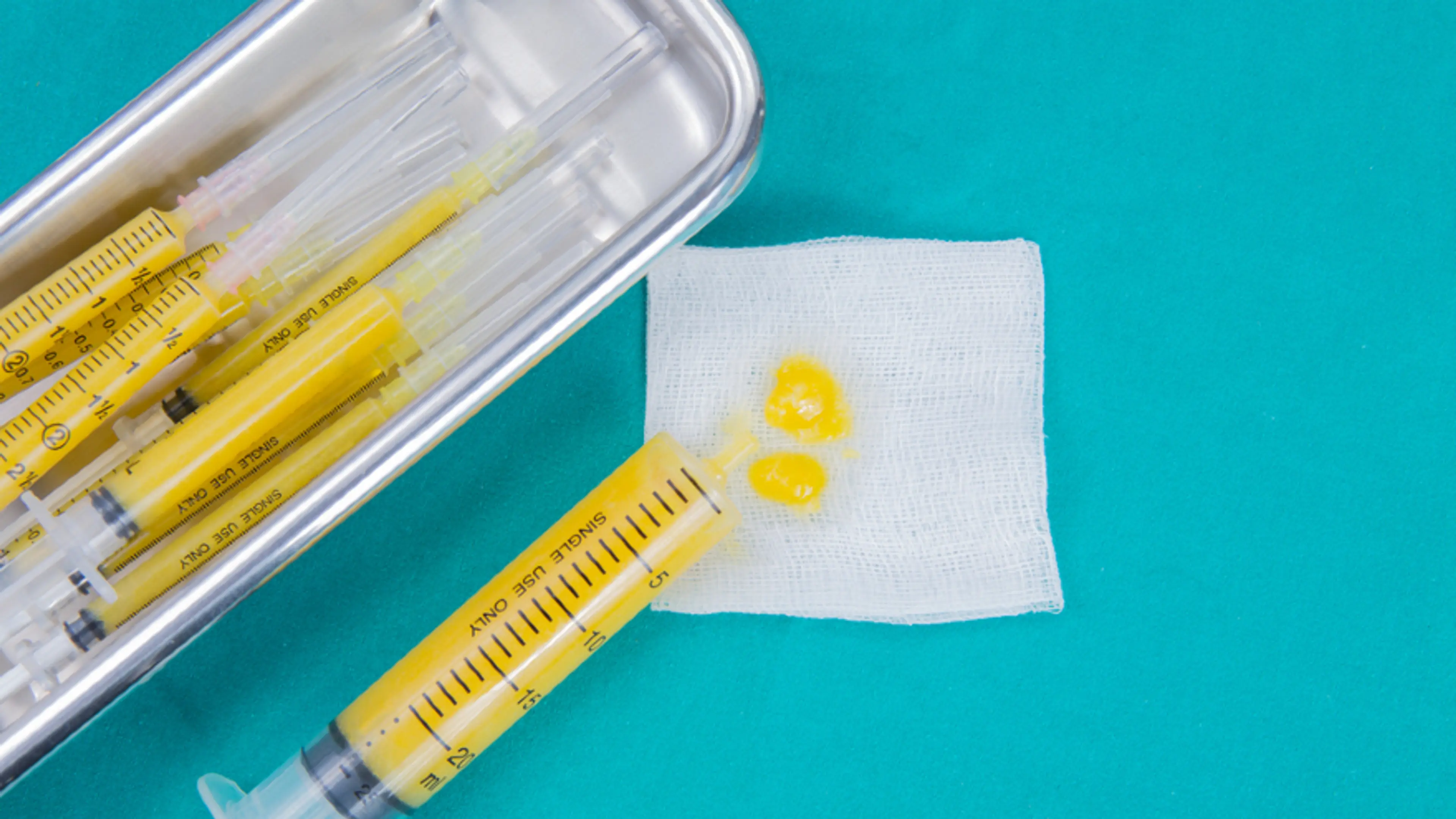
Fat grafting has become an essential component of modern facial rejuvenation. When combined thoughtfully with procedures such as facelifts, blepharoplasty, brow lifts, or revision surgery, it can dramatically improve facial balance, skin quality, and long-term outcomes. Yet many patients understandably ask:
How safe is fat grafting when it’s performed alongside other surgeries?
The short answer is: when performed by an experienced facial surgeon using modern, anatomy-based techniques, fat grafting combined with other surgeries is considered very safe and often safer than performing it as a standalone or repeated injectable procedure.
To understand why, it’s important to look at what fat grafting actually is, how it interacts with other surgeries, and what truly determines safety.
What Fat Grafting Really Is (and What It Is Not)
what-fat-grafting-really-is-(and-what-it-is-not)Fat grafting—also called autologous fat transfer—is not simply “injecting fat.” It is a living tissue transplantation procedure that requires surgical precision.
The procedure involves three critical stages:
1. Fat Harvesting
1.-fat-harvestingFat is gently harvested from donor areas such as the abdomen or thighs using low-pressure liposuction. This step is designed to preserve cell viability and avoid trauma to the fat cells.
2. Fat Processing
2.-fat-processingThe harvested fat is carefully purified—removing blood, oil, and damaged cells—so that only healthy, viable fat is transferred. Advanced methods may separate microfat (for volume) and nanofat (for skin quality and regenerative effects).
3. Fat Injection
3.-fat-injectionThe fat is injected using blunt cannulas in tiny, layered droplets across multiple anatomical planes. This micro-layering technique is essential for both safety and long-term survival.
Importantly, fat grafting is not a filler substitute. It behaves differently, integrates with tissue, and requires a surgical mindset.
Why Combine Fat Grafting with Other Surgeries?
why-combine-fat-grafting-with-other-surgeriesFat grafting does not lift sagging tissues. Surgical lifting procedures—such as facelifts—do not fully restore lost volume. Combining the two addresses both structure and volume, which is why modern facial rejuvenation increasingly integrates them.
Common combinations include:
Deep plane facelift + fat grafting
Upper/lower blepharoplasty + fat grafting
Neck lift or brow lift + fat grafting
Revision facelift + fat grafting
When performed together, these procedures allow surgeons to:
Reposition descended tissues first
Then restore volume only where truly needed
Avoid overfilling or unnatural fullness
Achieve better harmony and longevity
Understanding Safety: What Really Determines Risk?
understanding-safety:-what-really-determines-riskThe safety of fat grafting—whether combined with other surgeries or not—depends on four core factors:
Anatomical knowledge
Injection technique
Volume control
Surgical environment
When fat grafting is combined with surgery, these factors are often better controlled than in office-based injections.
Key Safety Concern #1: Fat Embolism
key-safety-concern-1:-fat-embolismFat embolism is the complication patients fear most, and it deserves clear explanation.
Why It Happens
why-it-happensFat embolism occurs when fat is accidentally injected into a blood vessel and travels to critical organs. This risk is associated primarily with:
Why It Is Rare in Facial Fat Grafting
why-it-is-rare-in-facial-fat-graftingWhen facial fat grafting is performed correctly:
Volumes are small
Injection pressure is low
Blunt cannulas are used
High-risk vascular zones are avoided
Fat is placed in safe anatomical planes
Facial fat grafting—especially when performed during surgery—is not comparable to high-risk body fat injections often discussed in the media.
Key Safety Concern #2: Overfilling and Irregularities
key-safety-concern-2:-overfilling-and-irregularitiesSafety also includes aesthetic safety.
When fat grafting is done without surgical context:
When combined with surgery:
Tissues are already repositioned
Volume deficits are clearly visible
Fat is placed conservatively
Symmetry is easier to control
This leads to smoother contours and more predictable outcomes.
Key Safety Concern #3: Fat Survival and Longevity
key-safety-concern-3:-fat-survival-and-longevityNot all transferred fat survives—and that is normal.
With modern techniques:
50–70% of fat typically survives long term
Surviving fat becomes living, functional tissue
Results age naturally with the patient
Combining fat grafting with lifting surgery often improves survival because:
Is It Safer to Combine Procedures Than to Separate Them?
is-it-safer-to-combine-procedures-than-to-separate-themIn many cases, yes.
Combining fat grafting with other facial surgeries can actually:
Reduce total anesthesia exposure
Eliminate repeated recovery periods
Allow better anatomical planning
Improve overall balance and proportion
From a patient-safety standpoint, one well-planned operation is often preferable to multiple separate procedures.
Who Is an Ideal Candidate for Combined Fat Grafting?
who-is-an-ideal-candidate-for-combined-fat-grafting
Fat grafting combined with surgery is especially safe and effective for patients who:
Have age-related volume loss in the midface, temples, or under-eyes
Are undergoing facelift or revision surgery
Want natural, long-lasting volume restoration
Prefer using their own tissue rather than synthetic fillers
Are in good overall health and nonsmokers
Patients with extremely low body fat, uncontrolled medical conditions, or unrealistic expectations may not be ideal candidates.
Fat Grafting vs Fillers When Combined with Surgery
fat-grafting-vs-fillers-when-combined-with-surgeryAspect | Fat Grafting | Fillers |
|---|
Material | Patient’s own fat | Synthetic gel |
Longevity | Long-term | Temporary |
Tissue integration | Becomes living tissue | Gradually absorbed |
Risk of migration | Very low | Possible |
Best paired with surgery | ✅ Yes | ❌ Limited |
Fat grafting enhances surgical results biologically, not just cosmetically.
The Regenerative Advantage of Fat Grafting
the-regenerative-advantage-of-fat-graftingBeyond volume, fat grafting offers regenerative benefits that fillers do not.
Fat contains:
These elements can:
When combined with surgery, this regenerative effect may contribute to better recovery and more youthful skin quality.
RNWOOD Plastic Surgery: A Safety-First, Anatomy-Based Approach
rnwood-plastic-surgery:-a-safety-first-anatomy-based-approachAt RNWOOD Plastic Surgery in Gangnam, Seoul, fat grafting is never treated as an afterthought.
Dr. Minhee Ryu, Chief Director and Founder, integrates fat grafting with facial surgery using:
Deep anatomical understanding
Microfat and nanofat layering techniques
Blunt cannula, low-pressure injection methods
Conservative volume philosophy
One-surgery-per-day focus for maximum safety and precision
Patients benefit from:
Extended operative time
Meticulous surgical planning
Advanced recovery care (Healite, hyperbaric oxygen therapy, vitamin IVs)
Close postoperative monitoring
Common Myths About Combined Fat Grafting
common-myths-about-combined-fat-grafting
“Combining procedures increases risk.”
"combining-procedures-increases-risk."In experienced hands, combining procedures often reduces overall risk by minimizing repeated anesthesia and recovery.
“Fat grafting always looks puffy.”
"fat-grafting-always-looks-puffy."Puffiness is the result of overfilling, not fat grafting itself. Conservative placement produces natural results.
“Fat grafting is unpredictable.”
"fat-grafting-is-unpredictable."With modern techniques and proper patient selection, fat grafting is highly reliable and stable.
Final Answer: How Safe Is Fat Grafting When Combined with Other Surgeries?
final-answer:-how-safe-is-fat-grafting-when-combined-with-other-surgeriesWhen performed by an experienced facial plastic surgeon using modern, anatomy-based techniques, fat grafting combined with other facial surgeries is highly safe and often enhances both results and longevity.
Safety depends not on the procedure alone, but on:
When these elements align, fat grafting becomes one of the most powerful and natural tools in facial rejuvenation.
Considering Combined Facial Rejuvenation?
considering-combined-facial-rejuvenationChoosing the right combination of procedures requires a detailed anatomical evaluation—not a one-size-fits-all approach. When fat grafting is used thoughtfully alongside surgery, it can restore not only facial volume, but facial vitality.