Facial aging is often misunderstood. Many people believe that wrinkles and loose skin are the primary causes of an aged appearance, but from an anatomical and surgical perspective, volume loss is the central driver of facial aging. Without addressing this loss, even the most aggressive skin tightening or repeated filler treatments will fall short—or worse, create an unnatural result.
This is why fat grafting has emerged as the most effective and long-term solution for restoring youthful facial contours. When performed with precision and deep anatomical understanding, fat grafting does more than replace lost volume—it rejuvenates the face biologically.
At RNWOOD Plastic Surgery in Gangnam, Seoul, fat grafting is a core component of facial rejuvenation, particularly in combination with deep plane facelift, blepharoplasty, and revision surgery. The goal is not to “add fullness,” but to restore what time has gradually taken away—naturally, safely, and durably.
Facial Aging: A Problem of Structural Loss
facial-aging:-a-problem-of-structural-lossA youthful face is defined by smooth transitions, gentle convexity, and harmonious proportions. These qualities depend on three structural pillars:
Bone
Fat
Skin
With age, all three undergo predictable changes.
Facial bones slowly resorb, particularly in the midface, jawline, and eye sockets
Deep fat pads shrink, descend, or disappear
Skin thins and loses elasticity
The result is not just sagging, but hollowing—sunken temples, flattened cheeks, deep tear troughs, and a tired, skeletal look. Tightening the skin alone does not restore these lost foundations.
This is why modern facial rejuvenation focuses on structural restoration, not surface correction.
What Is Fat Grafting?
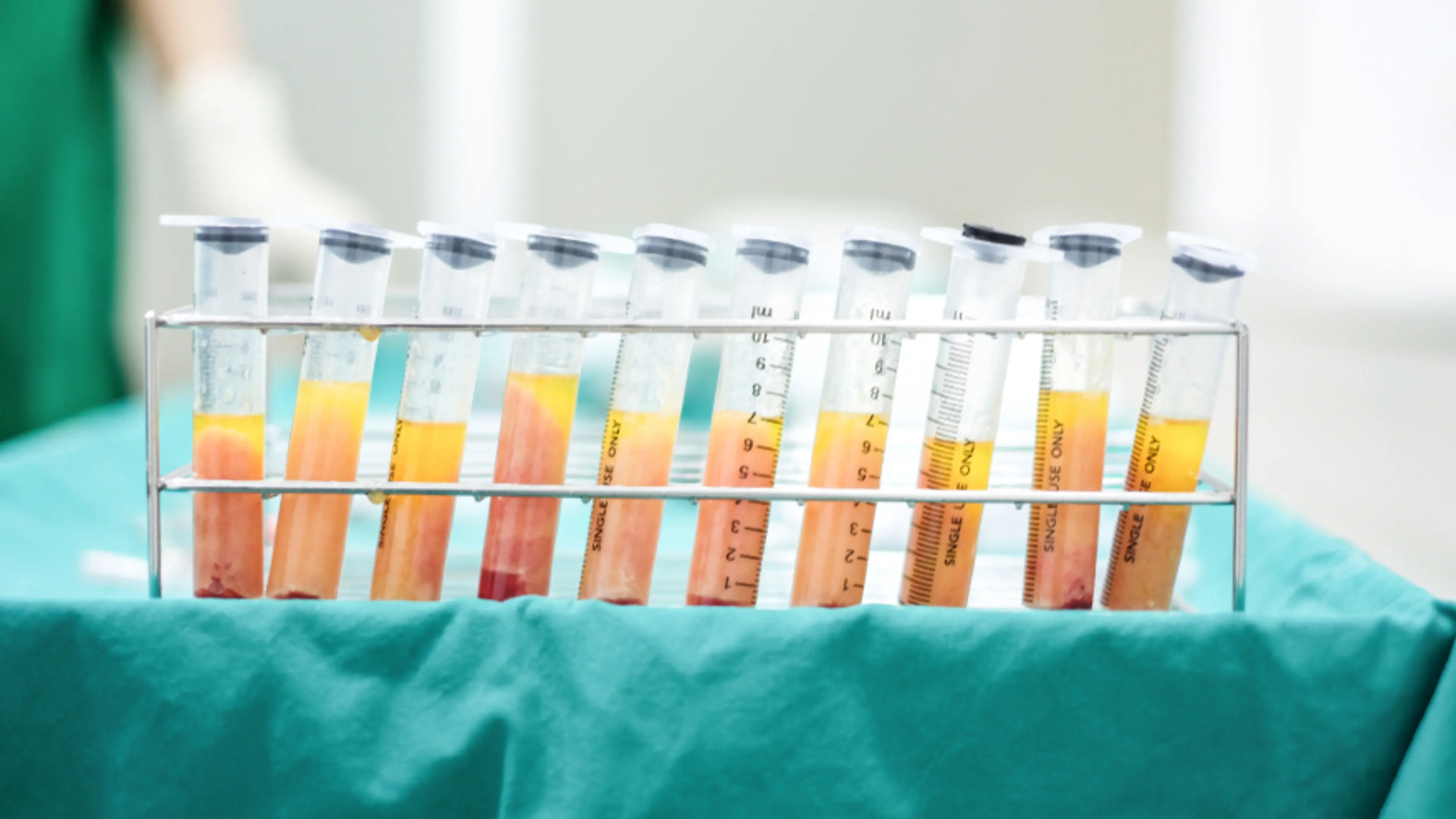
what-is-fat-graftingFat grafting—also known as autologous fat transfer—is a surgical technique in which a patient’s own fat is gently harvested from areas such as the abdomen or thighs, processed, and reinjected into specific areas of the face.
Unlike fillers, fat grafting involves living tissue transplantation. When performed correctly, the transferred fat establishes a blood supply and becomes a permanent part of the facial structure.
At RNWOOD Plastic Surgery, fat grafting is not treated as a cosmetic add-on. It is approached as a biologic procedure, requiring meticulous handling, precise placement, and an in-depth understanding of facial anatomy.
Why Fat Grafting Is Fundamentally Different from Fillers
why-fat-grafting-is-fundamentally-different-from-fillersDermal fillers have a role in aesthetic medicine, but they are inherently limited. Fat grafting addresses those limitations at a structural and cellular level.
1. Fat Is Living Tissue
1.-fat-is-living-tissueHyaluronic acid fillers are temporary materials designed to dissolve. Fat, by contrast, is composed of living adipocytes. Once the grafted fat survives and integrates, it can last for many years.
This longevity makes fat grafting particularly valuable for:
Rather than repeated treatments every 6–12 months, fat grafting offers long-term stability.
2. Fat Has Regenerative Properties
2.-fat-has-regenerative-propertiesOne of the most powerful advantages of fat grafting is its regenerative effect. Fat contains:
These components improve:
Skin thickness
Elasticity
Texture and radiance
Patients often notice that the skin over fat-grafted areas looks healthier and more youthful—even beyond simple volume restoration. This is why fat grafting is frequently used in combination with facelift and eyelid surgery to enhance skin quality, not just contour.
3. Fat Ages Naturally With the Face
3.-fat-ages-naturally-with-the-faceA common concern with fillers is over time they can:
Fat behaves differently. Once integrated, it becomes part of the face and ages along with the surrounding tissues. This results in:
This is especially important for patients seeking subtle, refined results rather than obvious cosmetic enhancement.
Precision Matters: Fat Grafting Is Not a Simple Procedure
precision-matters:-fat-grafting-is-not-a-simple-procedureDespite its benefits, fat grafting is highly technique-dependent. Poor technique can lead to:
Irregularity
Overcorrection
Poor fat survival
At RNWOOD Plastic Surgery, Dr. Minhee Ryu applies a layered, anatomy-based approach, placing fat into specific planes depending on the goal and region.
Key Technical Principles Include:
key-technical-principles-include:Deep structural placement for skeletal support
Micro-fat grafting for contour refinement
Nano-fat grafting for skin quality improvement
Conservative volume strategy to avoid overfilling
Each face is treated individually, with volume tailored to bone structure, age, and gender-specific aesthetics.
Fat Grafting in Delicate Areas
fat-grafting-in-delicate-areas
Certain areas of the face demand extreme precision.
Under-Eye Area
under-eye-areaUnder-eye hollowing can make patients look tired or unhealthy. Fat grafting here must be:
When performed correctly, fat grafting can soften tear troughs while improving thin, crepey skin.
Temples
templesTemple hollowing contributes significantly to an aged appearance. Fat grafting restores the smooth transition from forehead to cheek, re-establishing a youthful facial frame.
Lips and Perioral Area
lips-and-perioral-areaUsing micro-fat or nano-fat, volume can be restored while maintaining natural movement and texture—without the stiffness sometimes seen with fillers.
Why Fat Grafting Is Superior for Long-Term Facial Rejuvenation
why-fat-grafting-is-superior-for-long-term-facial-rejuvenationFat grafting excels because it addresses all three pillars of aging:
Structure – Restores volume and support
Contour – Re-establishes youthful proportions
Skin Quality – Improves texture and elasticity
This makes it particularly valuable for patients seeking durable, natural-looking results, especially those who:
Have had repeated fillers with diminishing returns
Show hollowing after previous surgery
Want to avoid frequent maintenance treatments
Fat Grafting and the Deep Plane Facelift
fat-grafting-and-the-deep-plane-faceliftAt RNWOOD Plastic Surgery, fat grafting is often combined with deep plane facelift surgery.
Why? Because aging involves both:
A facelift repositions tissues, but without volume restoration, the result can look tight or incomplete. Fat grafting complements the facelift by restoring fullness in areas where tissue has thinned or disappeared.
This combination allows for:
Revision Surgery and Fat Grafting
revision-surgery-and-fat-graftingPatients seeking revision surgery often suffer from:
Fat grafting plays a crucial role in correcting surgical aging—restoring softness and balance where too much tissue was removed. Dr. Ryu’s extensive experience in revision cases allows for careful reconstruction without exaggeration.
Recovery and Longevity
recovery-and-longevity
After fat grafting:
Some swelling is expected
A portion of the fat will naturally resorb
Surviving fat typically stabilizes within 3–6 months
At RNWOOD, regenerative recovery protocols—including hyperbaric oxygen therapy, Healite LED treatment, and personalized aftercare—are used to optimize healing and fat survival.
Once stabilized, results can last many years, making fat grafting one of the most cost-effective and sustainable facial rejuvenation strategies.
The RNWOOD Philosophy: Restoration, Not Augmentation
the-rnwood-philosophy:-restoration-not-augmentationFat grafting is not about creating a new face. It is about restoring the face you once had.
At RNWOOD Plastic Surgery:
Volume is added only where it was lost
Proportions are respected
Results are designed to be undetectable
This philosophy aligns with Dr. Minhee Ryu’s commitment to anatomy-driven, patient-first care—where longevity, safety, and natural beauty are prioritized over trends.
In Summary
in-summaryFat grafting is not simply an alternative to fillers—it is a biologic solution to facial aging.
Why fat grafting is the long-term answer to volume loss:
Uses your own living tissue
Provides long-lasting structural support
Improves skin quality through regenerative effects
Ages naturally with your face
Integrates seamlessly with facelift and eyelid surgery
When performed with precision, restraint, and deep anatomical knowledge, fat grafting restores youthful volume without ever looking artificial.